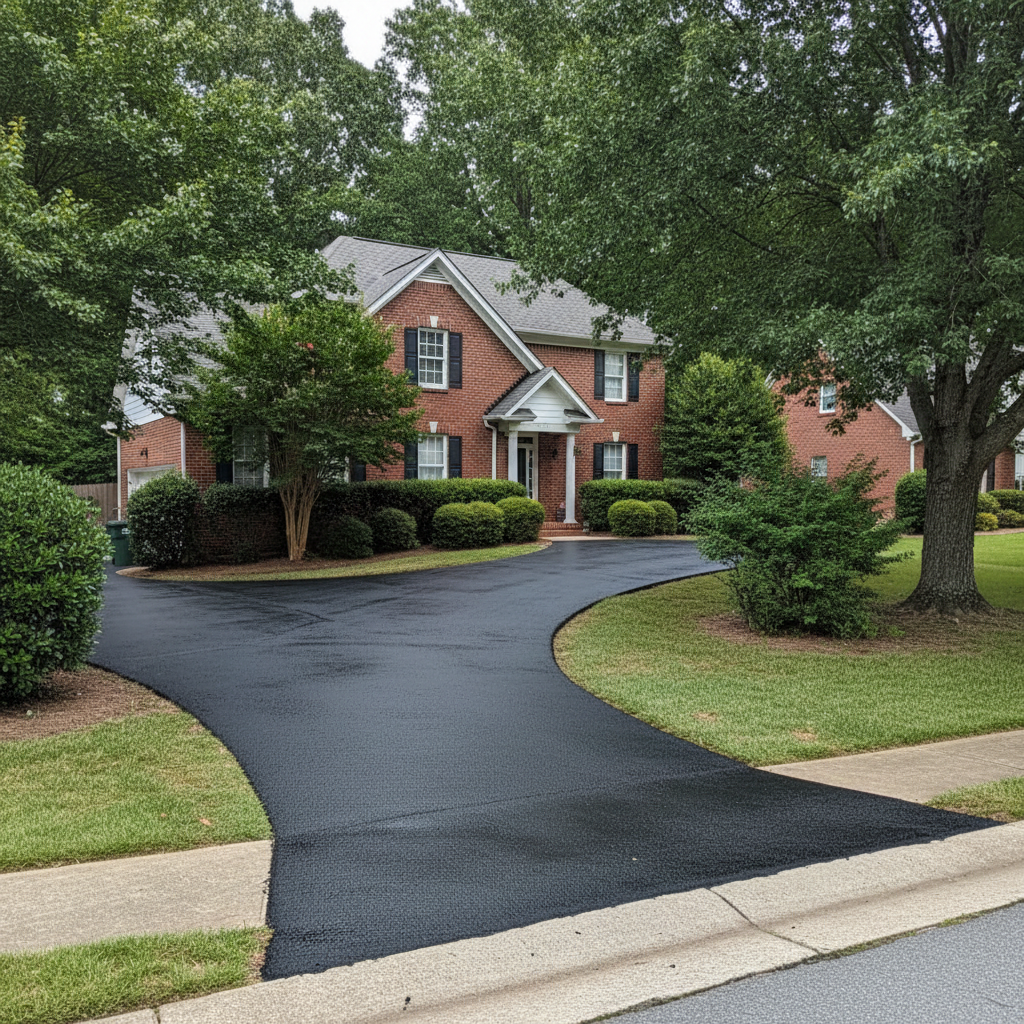
When's the best time to sealcoat your driveway here in Montgomery? That's a question I get asked a lot, and it's a really good one. You can't just slap sealcoat down whenever you feel like it, especially not with our Alabama weather. Doing it wrong means you're just throwing money away, and honestly, who wants to do that?
Why Montgomery's Climate Really Matters for Sealcoating
Our climate here in Montgomery is a real mixed bag, isn't it? We get scorching hot summers, mild winters, and a whole lot of humidity and rain in between. All of that plays a huge role in how well sealcoat cures and, more importantly, how long it actually lasts. It's not like up north where they have a short, predictable window for this kind of work. We've definitely got our own challenges.
Sealcoat needs to dry and cure properly. That's the whole ballgame. If it's too cold, it simply won't cure. If it's too hot, it can dry too fast, which leads to cracking or poor adhesion. And if it rains too soon? Well, you've just watched your investment wash right down the drain.
The Best Time to Schedule Your Sealcoating
Forget what you might read on some national website about sealcoating. For us here, the sweet spot is usually spring and fall. Think late March through May, and then again from late September through early November. Why those specific times?
- Spring (March-May): The ground temperatures are rising nicely, but we haven't hit the brutal summer heat yet. The days are getting longer, and while we do get spring showers, there are usually enough dry, sunny days in a row to get the job done right.
- Fall (September-November): This is often my favorite time, actually. The intense summer heat and humidity start to back off, but it's still warm enough for the sealcoat to cure effectively before winter's chill sets in. We often get those beautiful, clear, crisp days that are absolutely perfect for this kind of work.
We're really looking for consistent temperatures, ideally between 50 and 85 degrees Fahrenheit, for at least 24-48 hours after we apply it. That's crucial. Anything outside that range, and you're risking a poor cure.
Weather Conditions We Watch Out For
When you call Quantum Asphalt Solutions, you're not just getting a crew; you're getting folks who really know what our local weather patterns mean for your driveway. Here's what we're always checking before we even think about scheduling:
- Rain: This is the big one. Sealcoat needs a good 24-48 hours – sometimes longer, depending on the specific product – to dry completely before any rain hits it. Even a light drizzle too soon can ruin the finish. We're constantly checking the forecast, not just for today, but for the next couple of days.
- Temperature: As I mentioned, 50-85 degrees is ideal. If it's going to dip below 50 overnight, even if it's warm during the day, that can affect the cure. And if it's pushing 90+ like it does often in July, it can dry too fast, leading to issues down the road.
- Humidity: High humidity, which we get plenty of here, can slow down the drying process significantly. It's not a deal-breaker on its own, but it means we need an even longer dry period before you can drive on it or before rain might come.
- Dew Point: This is a bit more technical, but it ties into humidity. If the dew point is too close to the air temperature, you're going to get condensation, which is basically moisture on your fresh sealcoat. Not good at all.
Sometimes, we might have to reschedule. I know it's an inconvenience, but trust me, it's always better to wait for the right conditions than to do a job that simply won't last. We're protecting your investment.
Protecting Your Driveway Year-Round
Getting your driveway sealcoated at the right time is just the start. To really make that investment pay off and extend the life of your asphalt, you've got to protect it year-round. Here's how:
- Keep it Clean: Don't let oil, gas, or other chemicals sit on your driveway. They can break down the sealcoat and even the asphalt underneath. Clean up spills right away.
- Edge Control: Those tree roots and grass growing into the edges of your driveway? They're actually pushing up and cracking your asphalt. Keep them trimmed back.
- Heavy Loads: Try to avoid parking heavy RVs or equipment on your driveway for extended periods, especially in the same spot. The heat and weight can cause depressions.
- Water Management: Make sure water is draining off your driveway, not pooling on it. If you've got low spots where water collects after a typical Montgomery downpour, that's going to accelerate deterioration. We see a lot of this in older neighborhoods like Cloverdale, where drainage wasn't always a top priority in original construction.
- Regular Inspections: Just take a walk around your driveway every few months. Look for small cracks. Catching them early and filling them can prevent them from becoming bigger, more expensive problems.
Sealcoating isn't a one-and-done forever solution; it's part of an ongoing maintenance plan. Doing it every 2-3 years, depending on traffic and condition, will keep your driveway looking good and performing well for decades. Get the timing right, keep an eye on it, and you'll be set.