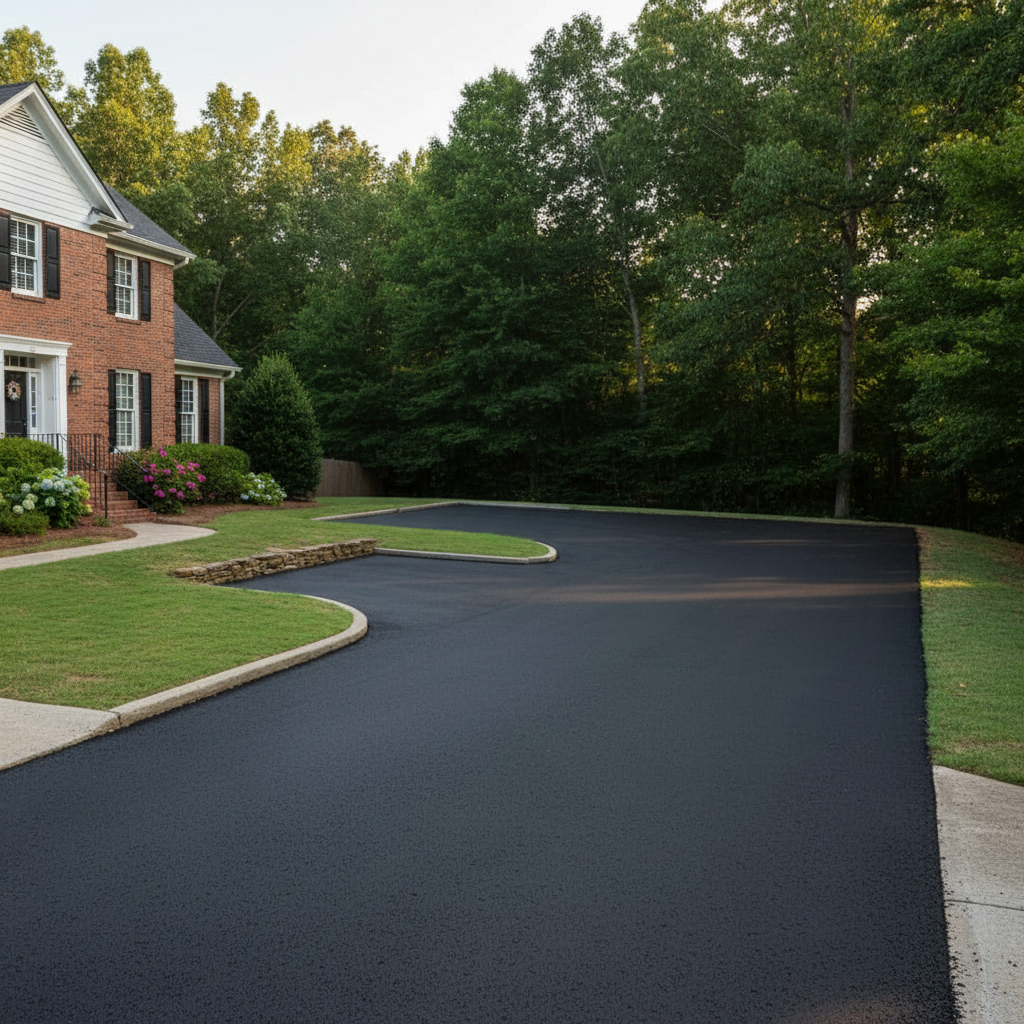
When's the best time to pave a parking lot here in Montgomery? That's a question I get a lot, and it's a good one. After all, our Alabama weather isn't always kind to asphalt. You can't just pave whenever you feel like it; there's a real science to it, and ignoring that science will cost you in the long run.
When to Schedule Your Paving Project in Montgomery
For new parking lot construction or a big resurfacing job, we usually aim for spring or fall. Why those times? It all boils down to temperature. Asphalt needs to be within a specific temperature range to cure right. If it's too cold, the asphalt mix cools down too fast. This makes it tough to compact properly, and you end up with a weaker surface that's more likely to crack.
Then there's the other extreme. If it's too hot — like those brutal July and August days we know so well — the asphalt can stay too soft for too long. That makes it hard to work with and can lead to problems like rutting down the road. We're really looking for daytime highs consistently between 60 and 85 degrees Fahrenheit. That's ideal. Here in Montgomery, that often means late March through May, and then again from late September through November. These windows give the asphalt the best shot at settling and hardening into a truly durable surface.
Weather Conditions That Can Impact Paving
Beyond just temperature, other weather factors can really mess with paving plans. Rain, for instance, is a big one. You simply can't pave on a wet subgrade or base. If the ground underneath is soaked, it won't compact properly, and your new asphalt won't have a stable foundation. That's a recipe for premature failure, and trust me, nobody wants that. We always check the forecast religiously before starting any big job. A little drizzle might be okay if the ground is already dry and we're just putting down a top layer, but heavy rain? Forget about it. We'll reschedule.
Humidity can also play a role, though it's not as critical as temperature or rain. High humidity can sometimes affect how fast the asphalt cools and sets, but it's usually something we can work around. Wind can be a factor too, especially on large, open parking lots. Strong gusts can cool the asphalt mix down faster than we want, making it harder to get good compaction. We've certainly had to adjust schedules on windy days down by the riverfront before; it's just part of the job, you know?
Protecting Your Parking Lot Investment All Year Long
Once your parking lot is paved, the work isn't finished. Protecting that investment year-round is super important, especially with our climate. Here's what you need to keep in mind:
- Sealcoating: Think of this as sunscreen for your asphalt. It shields against UV rays, keeps water from seeping in, and protects from chemical spills like oil and gas. I usually tell folks to get a fresh sealcoat every 2-3 years. It really depends on how much traffic it gets and how much sun it bakes in. It's a small investment that pays huge dividends by making your lot last way longer.
- Crack Sealing: The moment you spot cracks forming, get them sealed. Water is asphalt's worst enemy. It sneaks into those cracks, freezes and expands in the winter (yes, we do get freezing temps here, even if it's not for long), and then thaws, widening the cracks and eroding the subgrade. Seal them up quickly to prevent bigger, more expensive problems later.
- Drainage: Make sure your drainage is doing its job. Puddles that sit for long periods are bad news. They soften the asphalt and lead to deterioration. If you've got standing water, you've got a problem that needs fixing. Sometimes it's just a clogged drain; other times it might need a small patch to re-establish the grade.
- Regular Cleaning: Keep your lot clean. Debris, dirt, and gravel can act like sandpaper, wearing down the surface. Plus, oil and chemical spills should be cleaned up promptly to stop them from breaking down the asphalt binder.
- Heavy Loads: Be mindful of where heavy trucks and equipment park. Concentrated heavy loads in the same spots can cause rutting or depressions over time. If your lot sees a lot of heavy truck traffic, like a loading dock area, we might recommend a thicker asphalt section or a different mix design for those specific areas during the initial paving.
Look, your parking lot is often the first thing customers see. It's a reflection of your business. Taking care of it isn't just about how it looks; it's about safety and protecting a significant asset. We've been doing this for a long time here at Quantum Asphalt Solutions. We've seen what works and what doesn't in Montgomery's unique environment. Don't hesitate to reach out if you've got questions or need an assessment. We're always happy to help.