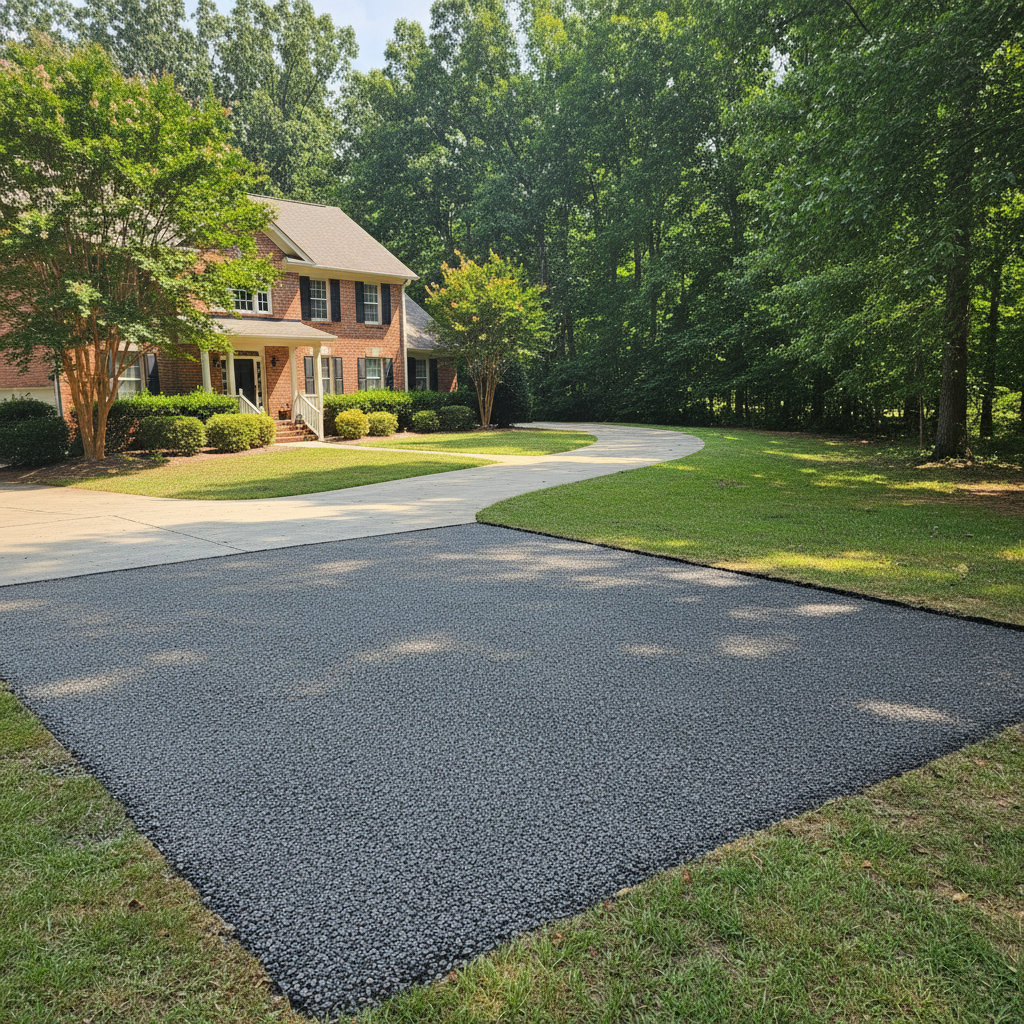
So, you're thinking about getting your asphalt driveway milled. Maybe it's got some serious cracks, a drainage problem, or you're just getting it ready for a fresh layer of asphalt. Whatever the reason, knowing when to schedule that work and what to expect from our Montgomery weather is pretty important. You don't want to throw your money away, and frankly, I don't want to do a job that won't last.
When's the Best Time for Asphalt Milling in Montgomery?
Honestly, the best time for asphalt milling around here is usually late spring, early summer, or early fall. That's when we typically hit those sweet spots of consistent, moderate temperatures. When it's too cold, like in the dead of winter, the asphalt gets brittle. It's just harder to mill cleanly then, and you can end up with a rougher, less uniform surface. The milling machine has to work overtime, and the results? They just aren't as good.
On the flip side, when it's scorching hot – like those brutal July and August days we all know too well in Montgomery – asphalt gets soft. Really soft. Trying to mill it then can feel like trying to cut through warm butter with a dull knife. It gums up the equipment, makes a mess, and again, you just don't get that nice, even base you need for a quality overlay. Plus, the crew's just plain miserable, and that doesn't help anyone, does it?
So, if you can, aim for April-May or September-October. Those months usually give us the best conditions for a clean, efficient milling job.
Weather Conditions That Affect Milling
Beyond just temperature, there are a few other weather factors we always keep an eye on before we even think about bringing out the milling machine:
- Rain: This is a huge one. You absolutely cannot mill effectively in the rain, or even right after a heavy downpour. Wet asphalt clogs the milling teeth, makes a muddy mess, and can even damage the equipment. We really need the surface to be dry. If it's been raining for days, especially on those older, porous driveways you see in places like Cloverdale-Idlewild, it takes time for all that moisture to dry out properly.
- Humidity: High humidity, even without direct rain, can make things tricky. It slows down drying times and can contribute to a less-than-ideal milling environment.
- Extreme Cold: Below about 40 degrees Fahrenheit, asphalt becomes very rigid. Milling it can cause it to shatter or chip unevenly, instead of creating that fine, consistent aggregate we're looking for. It's just not worth risking a subpar job.
- Extreme Heat: Like I mentioned, over 95 degrees Fahrenheit, and asphalt gets too soft. It'll tear and pull instead of milling cleanly.
We're always checking the forecast, sometimes right up until the morning of the job. If the weather's not cooperating, we'll reschedule. It's always better to wait a day or two than to push through and deliver a job that won't meet our standards — or yours.
Protecting Your Investment Year-Round After Milling
Once your driveway is milled and a new layer of asphalt is put down, you've made a significant investment. You want it to last, right? Here's how to protect it:
- Sealcoating: This is your first line of defense. About 6-12 months after your new asphalt is laid (after the milling), you'll want to get it sealcoated. It protects against UV rays, water getting in, and oil spills. Our Montgomery sun is brutal, and sealcoat is like sunscreen for your driveway. Plan on resealing every 2-3 years, depending on how much traffic it gets and sun exposure.
- Keep it Clean: Sweep off dirt, leaves, and debris regularly. Organic matter can hold moisture against the asphalt, leading to degradation over time.
- Address Spills Immediately: Oil, gas, and other chemicals can eat away at asphalt. Blot them up quickly and clean the area with a mild detergent.
- Watch for Cracks: Even with the best milling and paving, small cracks can show up over time. Get them filled promptly. A small crack can quickly turn into a pothole if water gets in and freezes (not often here, but it happens) or expands with our frequent freeze-thaw cycles in winter.
- Avoid Heavy Loads: Try not to park heavy RVs, boats, or commercial trucks on your residential driveway for extended periods, especially during hot weather. That weight can cause depressions or cracking.
- Proper Drainage: If your milling job included fixing drainage issues, make sure those solutions are still working. Keep gutters clean and downspouts directed away from the driveway. Water pooling on asphalt is its worst enemy.
At Quantum Asphalt Solutions, we've truly seen it all when it comes to asphalt in Montgomery. We know what our climate does to pavement. Getting the milling done right, at the right time, sets the stage for a long-lasting driveway. And with just a little year-round care, you'll be enjoying that smooth, dark surface for years to come.