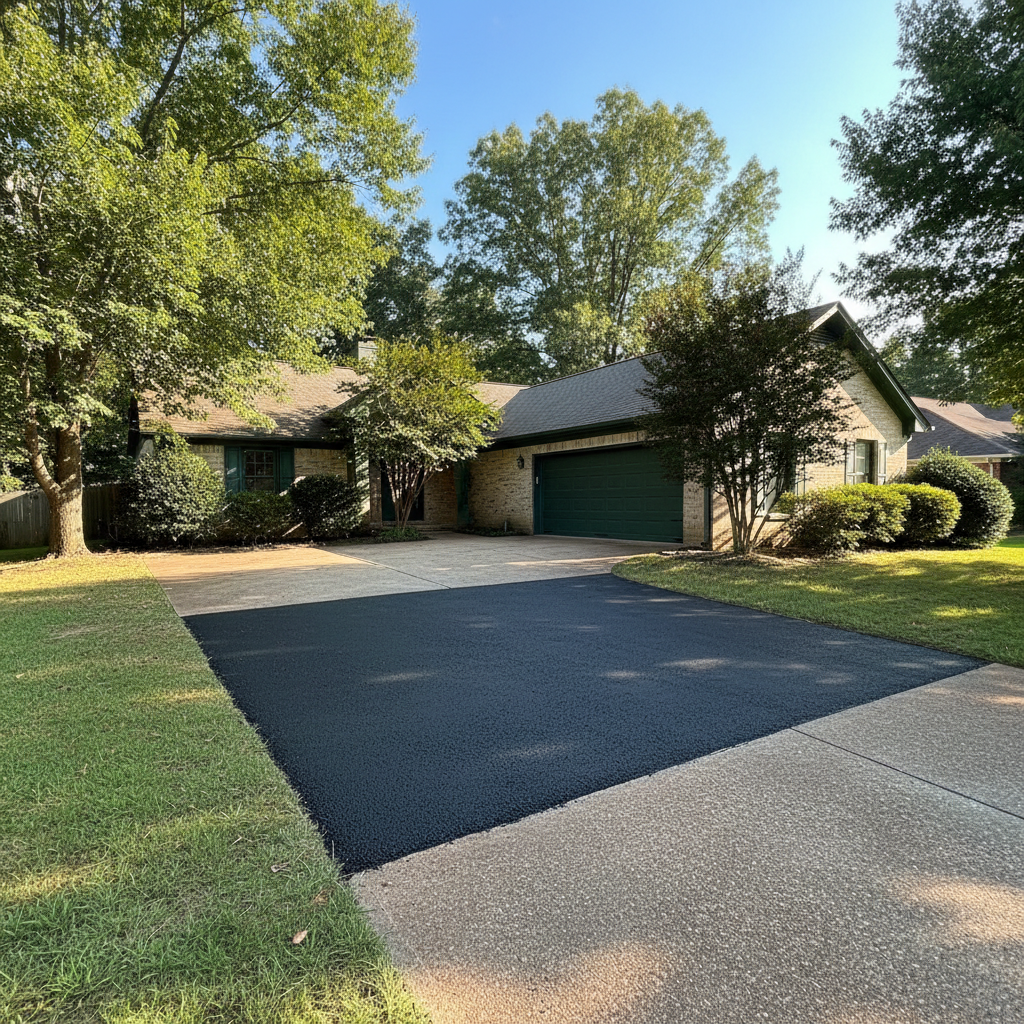
Got some cracks or potholes showing up on your driveway? It happens. Montgomery's weather, with its hot summers and occasional freezes, really puts asphalt through its paces. When you decide it's time to get that patching done, you'd think it'd be straightforward. But I've seen homeowners make some pretty common mistakes that end up costing them more time, money, and headaches down the road. Let's talk about what to watch out for.
Mistake #1: Waiting Too Long to Patch
This is probably the biggest one. You see a small crack, maybe a little pothole starting, and you think, 'Ah, I'll get to it next season.' Bad idea. That small crack is a welcome mat for water. When water gets in there and then freezes (which it does here in Montgomery, especially during those surprise cold snaps), it expands and makes the crack bigger. Then the sun bakes it, the crack widens, and before you know it, you've got a spiderweb of damage or a huge pothole where a simple patch would've done the trick a few months ago. What could've been a minor repair turns into a much larger, more expensive job, sometimes even requiring a full section replacement. Don't put off patching; fixing it early is almost always cheaper.
Mistake #2: Not Understanding Different Patching Methods
Not all patches are created equal, and a good contractor will explain your options. I've had folks call me up saying, 'Just throw some asphalt in that hole,' without realizing there's more to it. There's 'cold patch,' which is a temporary fix, usually good for a quick DIY job or a very minor repair. Then there's 'hot mix' asphalt patching, which is what we use for more permanent repairs. Within hot mix, you've got different techniques like 'skin patching' for very shallow areas, 'cut and patch' (or 'remove and replace') where we cut out the damaged section and replace it, and 'infrared patching' for seamless repairs. If your contractor isn't talking about these options and explaining why one is better for your specific situation, that's a red flag. You need someone who actually assesses the damage, not just slaps some material down.
Mistake #3: Going for the Cheapest Bid Without Asking Questions
Look, I get it. Everyone wants a good deal. But when it comes to asphalt work, the cheapest bid often means cutting corners. You might get a price that's significantly lower than others, and that should make you pause. Ask yourself:
- Are they licensed and insured? If someone gets hurt on your property or they damage something, you want them covered.
- What kind of material are they using? Is it quality hot mix, or are they trying to pass off something inferior?
- What's their process? Are they properly preparing the area – cleaning it, applying a tack coat, compacting it correctly? Or are they just dumping asphalt into a hole?
- Do they offer a warranty on their work? A reputable company like Quantum Asphalt Solutions stands behind what they do.
If a contractor can't answer these questions clearly, or if they're pushing for cash-only deals with no paperwork, walk away. You'll likely end up paying more in the long run to fix their shoddy work.
Mistake #4: Not Considering Drainage
This one's critical, especially for driveways in areas like Old Cloverdale where you might have older, settled foundations or specific grading challenges. Water is asphalt's worst enemy. When you're patching, you're not just filling a hole; you're trying to prevent future damage. A good contractor will look at your overall drainage. Is the water pooling in certain spots? Is it running off your driveway and eroding your lawn? Sometimes, a patch isn't enough; you might need to address the underlying drainage issue, or the patch will just fail again. If your contractor isn't mentioning drainage or how their patch will affect it, they might be missing a crucial part of the puzzle.
Mistake #5: Not Getting Everything in Writing
This seems obvious, but you'd be surprised how many folks just go on a handshake. Always get a detailed quote or contract. It should clearly state:
- The specific areas to be patched.
- The type of patching method they'll use (e.g., cut and patch, infrared).
- The materials they'll be using.
- The total cost, including labor and materials.
- A timeline for the work.
- Any warranty information.
This protects both you and the contractor. If there's a disagreement later, you have something to refer back to. It's just good business practice. Don't let anyone pressure you into starting work without a clear agreement.
Patching your asphalt doesn't have to be a headache. By avoiding these common mistakes, you'll ensure your repair lasts, looks good, and gives you a bit of relief. Do your homework, ask the right questions, and choose a contractor who knows their stuff and cares about doing it right. That's how you get a quality job done here in Montgomery.