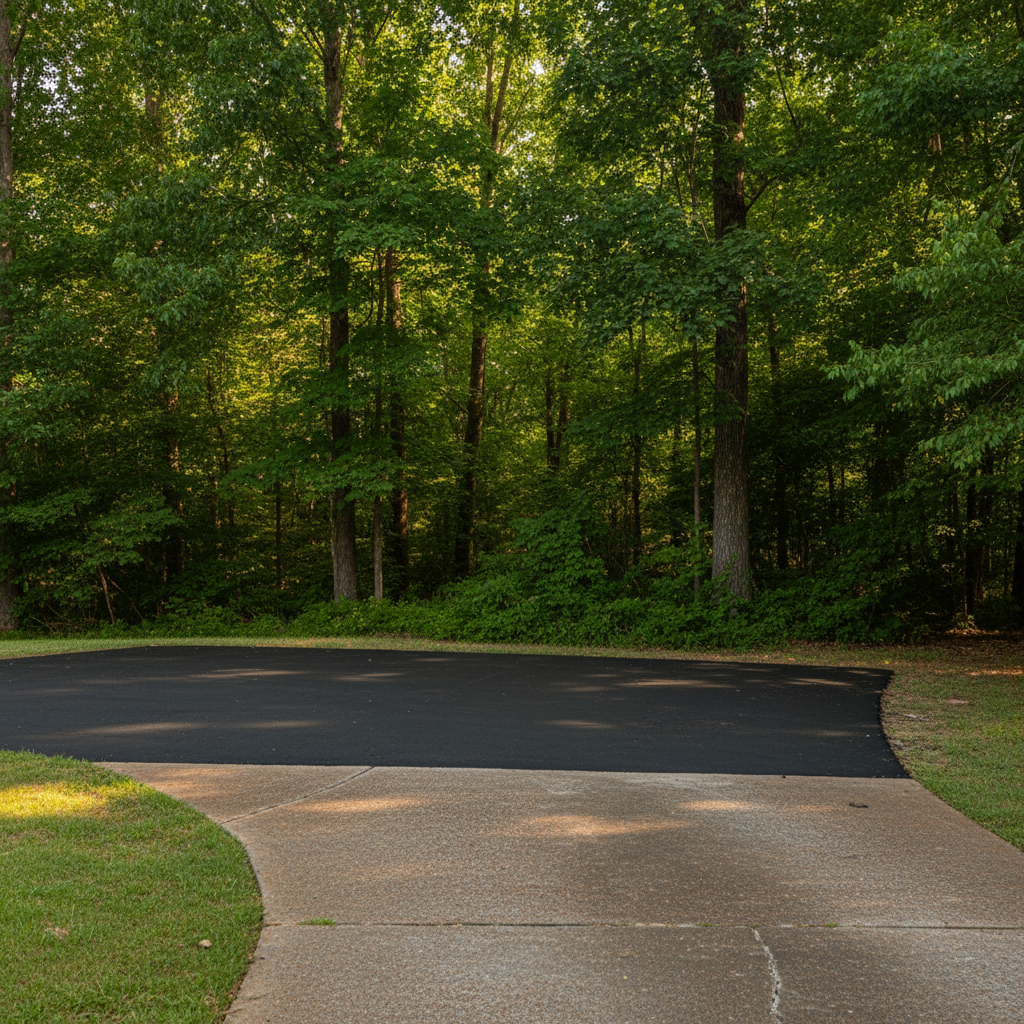
So, you just had some asphalt repairs done, maybe a fresh patch or a crack filled. Good job taking care of your property! But that repair isn't a 'set it and forget it' kind of deal, especially here in Montgomery. Our hot, humid summers and occasional freezes really put pavement through its paces. You want that repair to last, right? Let's talk about how to make that happen.
Extending the Life of Your Asphalt Repairs
The biggest thing you can do to get more years out of any asphalt repair is to protect it from the elements and heavy use. Think about it: a patch is a new, strong spot, but it's still part of a larger, older surface. You've got to treat it right.
- Sealcoating is king: I can't stress this enough. Once your repairs have had a good 30-90 days to cure, get that area, or even better, the whole paved surface, sealcoated. Sealcoat acts like sunscreen and a waterproof jacket for your asphalt. It keeps out UV rays that dry out the binder, and it prevents water from seeping into those tiny pores and cracks. In Montgomery, where the sun beats down hard for months, sealcoating is your best friend for longevity.
- Proper drainage: This is huge. If water is pooling on or near your repaired area, it's going to cause trouble. Water is asphalt's worst enemy, no kidding. It softens the base, erodes the edges, and when it freezes (which it does occasionally here, especially in areas like the northern part of town near Maxwell AFB), it expands and creates new cracks. Make sure downspouts aren't dumping water directly onto your pavement, and that any low spots get addressed.
- Mind the weight: Heavy vehicles, especially those with sharp turns, put a lot of stress on asphalt. If you've got a fresh patch, try to keep heavy trucks off it for a bit longer than the initial cure time. And long-term, if you've got a delivery truck or RV that sits in the same spot all the time, consider putting down some pavers or concrete pads to distribute the weight.
Regular Maintenance: What You Should Be Doing
Maintenance isn't just about fixing problems; it's about preventing them. A little proactive work now saves you a lot of headache and money later.
- Keep it clean: Sounds simple, but dirt, gravel, and debris can hold moisture against the asphalt, encouraging degradation. Plus, sharp gravel can get ground into the surface by tires, causing minor abrasions that turn into bigger issues. Sweep or blow off your driveway or parking lot regularly.
- Watch for oil and gas spills: These petroleum products are solvents for asphalt. They break down the binder, leaving a soft, crumbly spot that quickly turns into a pothole. Clean up any spills immediately with an absorbent material like cat litter or sand, then scrub with a degreaser and rinse. Don't let them sit.
- Trim back vegetation: Tree roots are powerful. They'll push up through asphalt looking for water. Keep trees and shrubs trimmed back from the edges of your pavement. Weeds growing through cracks? Pull 'em out and then fill those cracks. Don't let them get established.
Warning Signs You Can't Ignore
Your asphalt will tell you when it's hurting. You just need to know what to look for.
- New cracks forming: Even after a repair, new cracks can pop up, especially around the edges of a patch. These are often hairline at first. Don't ignore them. Get them filled with a good quality crack filler before they widen and allow water in.
- Fading or dulling: If your asphalt looks gray instead of black, it means the sun is doing its damage. This is a sign that the binder is oxidizing and becoming brittle. It's a prime indicator that it's time for sealcoating.
- Soft spots or depressions: If you walk across your pavement and feel a soft, spongy area, or see a spot where water consistently pools even after a repair, that's a problem. It usually means the base layer underneath is failing due to water intrusion.
- Loose aggregate: If you're seeing a lot of small stones coming loose from the surface, especially in high-traffic areas, that's called 'raveling.' It means the binder isn't holding the aggregate together anymore. This needs attention before it turns into a larger area of deterioration.
- Alligator cracking: This is a classic sign of base failure. It looks like a series of interconnected cracks, much like an alligator's skin. Once you see this, the problem is usually beyond simple crack filling and often requires a patch or even a full-depth repair.
When to Call a Professional
Look, I'm a big believer in homeowners doing what they can, but some jobs are just too big or too complex. Here's when you should definitely pick up the phone and call someone like us at Quantum Asphalt Solutions:
- Widespread alligator cracking: As I mentioned, this means the foundation is compromised. It's not a DIY fix.
- Large or deep potholes: If a pothole is bigger than a dinner plate or deeper than a couple of inches, you're better off having a professional repair it properly to ensure it lasts.
- Significant drainage issues: If you have standing water that won't go away, or if your pavement is consistently eroding due to water flow, you probably need grading adjustments or a more significant drainage solution.
- Multiple, recurring problems: If you're constantly patching the same areas or new cracks are appearing faster than you can fill them, it's a sign that the underlying pavement might be at the end of its life and needs a more comprehensive assessment.
- You're just not comfortable: There's no shame in admitting a job is beyond your skill set or time constraints. A professional will have the right equipment and expertise to do the job right the first time.
Taking care of your asphalt repairs isn't rocket science, but it does require a little attention. A small effort now can save you a whole lot of money and frustration down the road. Keep an eye on your pavement, address small issues quickly, and don't hesitate to call in the pros when things get bigger than you can handle.