Your asphalt driveway takes a beating, especially here in Montgomery with our hot summers and occasional freezes. Eventually, you're going to see some cracks or potholes. When that happens, patching is usually the first thing homeowners ask about. So, let's get into the nitty-gritty of asphalt patching – I'm talking about what I see on the ground every day.
What causes cracks and potholes in my driveway?
Honestly, it's usually a combination of things. Water is the biggest culprit, no doubt. When water gets into tiny cracks, it expands as it freezes in winter – and while our freezes aren't as harsh as up north, they still happen – then it thaws, leaving a bigger void. This freeze-thaw cycle really does a number on pavement. Then you've got the sun, which bakes the asphalt, making it brittle over time. Heavy vehicles, like delivery trucks or even your own SUV, put stress on those weakened spots. And don't forget the soil underneath. We've got a lot of clay in Montgomery, and that soil can expand and contract with moisture changes, shifting your asphalt base and leading to cracks from below. Poor drainage is another huge factor; if water isn't shedding off your driveway properly, it's just sitting there, soaking in and causing trouble.
When is patching a good idea, and when should I consider something more?
Patching is great for isolated damage – a few potholes, some alligator cracking in a small area, or individual cracks wider than, say, a quarter-inch. Think of it like a dental filling; it fixes the immediate problem and stops it from getting worse. If your driveway is mostly in good shape but has a few trouble spots, patching is definitely the way to go. It's cost-effective and extends the life of your existing pavement. However, if your entire driveway looks like a spiderweb of cracks, or if you've got multiple large, deep potholes, or the surface is crumbling everywhere, a patch isn't going to cut it. You're probably looking at an overlay or even a full replacement at that point. A good rule of thumb I use is if more than 25-30% of the driveway needs patching, it's time to talk about bigger solutions.
What's the difference between a temporary patch and a permanent patch?
This is important because a lot of folks get ripped off with temporary fixes. A temporary patch, often called a 'cold patch,' is usually just cold asphalt mix dumped into a hole and tamped down. It's quick, cheap, and you can even buy it at the hardware store. It's fine for an emergency fix to prevent tripping hazards or further damage during a bad rain, but it won't last. It'll break down, crumble, and the pothole will reappear, usually within a few months. A permanent patch, on the other hand, means we cut out the damaged section of asphalt, clean out the base, apply a tack coat (that's an adhesive), and then fill it with hot asphalt mix. We then compact it thoroughly with a roller. This creates a strong bond with the existing pavement and a much more durable repair. At Quantum Asphalt Solutions, we always aim for permanent solutions because, well, we want our work to last.
How long does a good asphalt patch typically last?
A well-done, permanent hot asphalt patch, installed correctly by experienced pros, can easily last 5-10 years, sometimes even longer. It really depends on a few things: the quality of the original asphalt, the condition of the base underneath, the amount of traffic it gets, and how well the surrounding pavement holds up. If the rest of your driveway is in decent shape and you keep it sealed every few years, that patch will blend in and hold strong. If the underlying issues that caused the original damage – like poor drainage or a shifting base – aren't addressed, then even the best patch might fail prematurely. That's why we always look at the bigger picture when we're out on a job in places like Cloverdale or Capitol Heights.
Can I patch my driveway myself, or should I hire a professional?
You can definitely buy cold patch mix and fill a small pothole yourself. For very minor, shallow issues, it's a decent DIY fix to get you by. But if you want a repair that actually lasts and looks good, you really need a professional. We have the right equipment – asphalt cutters, plate compactors, rollers, and access to hot asphalt mix – that homeowners just don't have. We also know how to properly prepare the area, ensure good drainage, and compact the patch so it's flush and strong. A poorly done patch can actually make the problem worse, creating uneven surfaces that collect water or just breaking apart quickly. It's one of those jobs where the right tools and experience make a huge difference in the outcome.
What can I do to prevent future cracking and potholes after patching?
Prevention is key, and it's usually cheaper than repair. First, keep your driveway clean. Sweep away dirt, leaves, and debris regularly so water doesn't get trapped. Second, address any drainage issues. Make sure water is flowing off your driveway and not pooling anywhere. This might mean adding a small swale or ensuring your gutters aren't dumping water directly onto the pavement. Third, and this is a big one, get your driveway sealcoated every 2-3 years. Sealcoating protects the asphalt from UV rays, water penetration, and oxidation, keeping it flexible and preventing those tiny cracks from forming in the first place. It's like sunscreen for your driveway. Also, try to avoid parking heavy vehicles in the exact same spot all the time, especially if you know that area is prone to issues.
Will the patched area look different from the rest of my driveway?
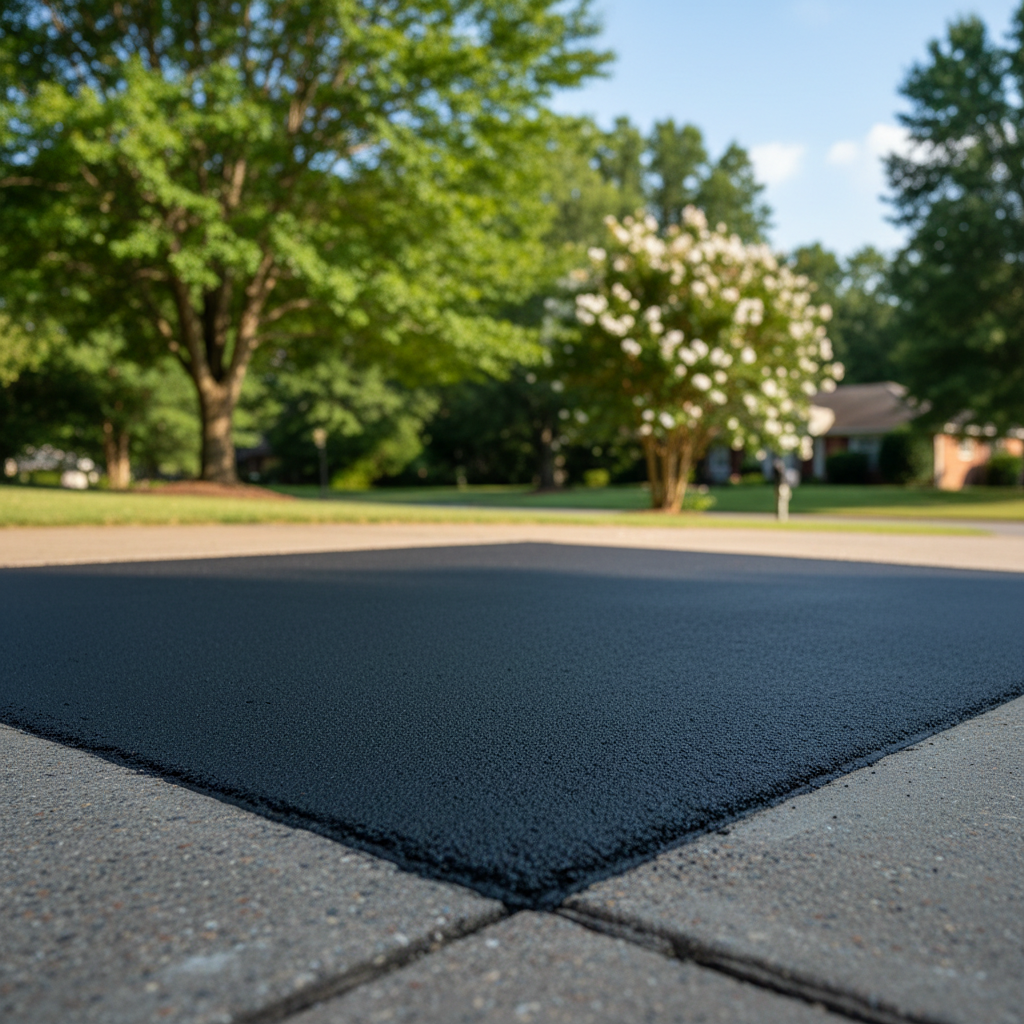
Yeah, usually it will, at least for a while. When we put down fresh, hot asphalt, it's a deep black color. Your existing driveway, even if it's only a few years old, has been exposed to the sun and weather, so it's probably faded to a lighter gray. So, you'll see a noticeable contrast between the new, dark patch and the older, lighter pavement. Over time, usually within 6-12 months, the new asphalt will start to oxidize and fade, blending in much better with the surrounding area. If you sealcoat your entire driveway after patching, that will help unify the color and make the patch almost disappear. It's a cosmetic thing, mostly, and it doesn't affect the strength or durability of the repair.